


Oct
14
The Cradle of Humankind
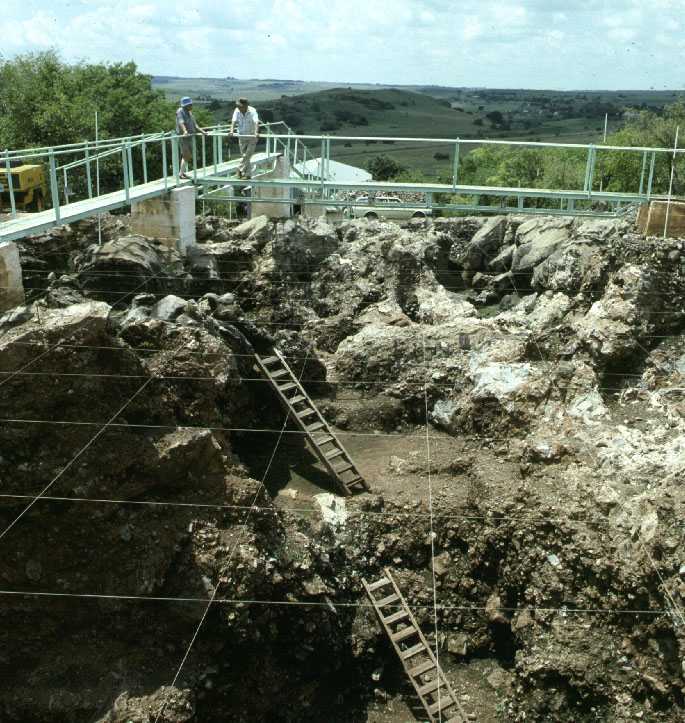
Just an hour’s drive from Johannesburg in the Magaliesberg, is the Cradle of Humankind. Named as an important World Heritage site in 1999, it is the home of 15 major fossil sites – of which the Sterkfontein Caves are the most famous.
Owned by the University of the Witwatersrand, the caves are world-famous for the hominid and animal fossil discoveries made by scientists during excavations.
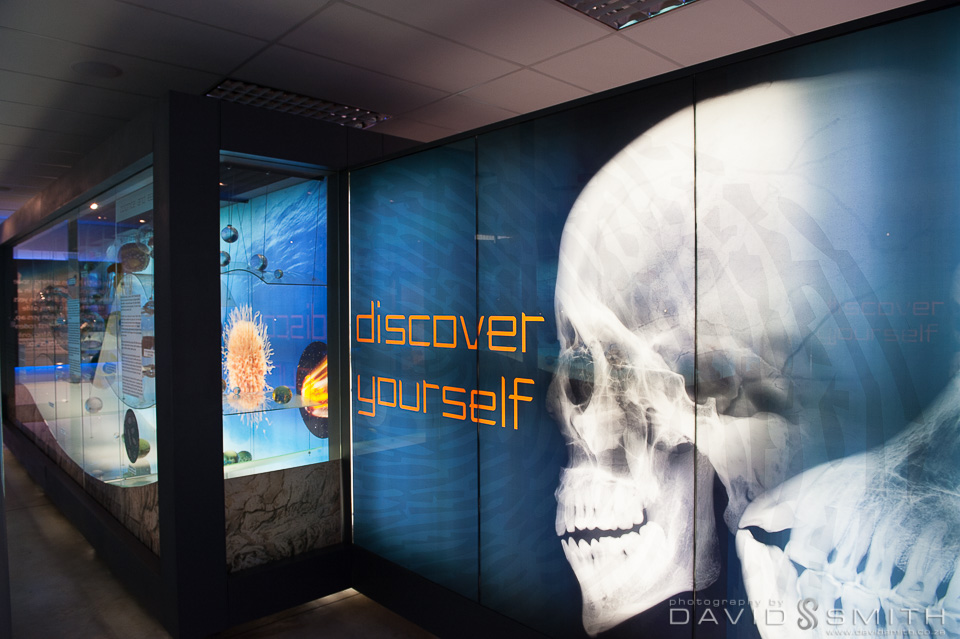
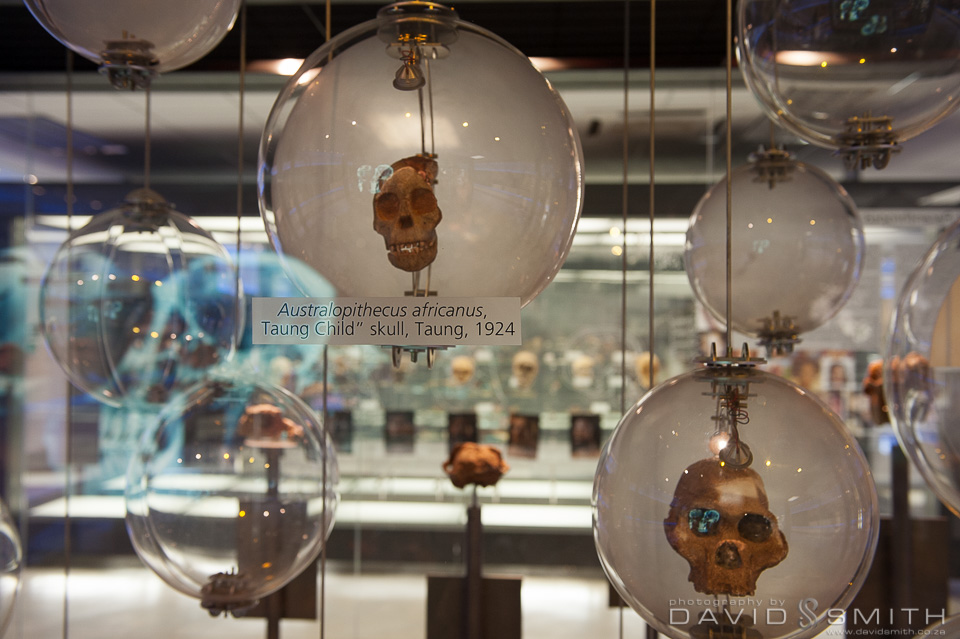
The site at Sterkfontein Caves was given an extensive face-lift in 2005 to make it more visitor-friendly. It now features a good restaurant, conferencing facilities, a very informative exhibition section showing the timeline of the discoveries and human development, and displays of many of the fossils which have been found.
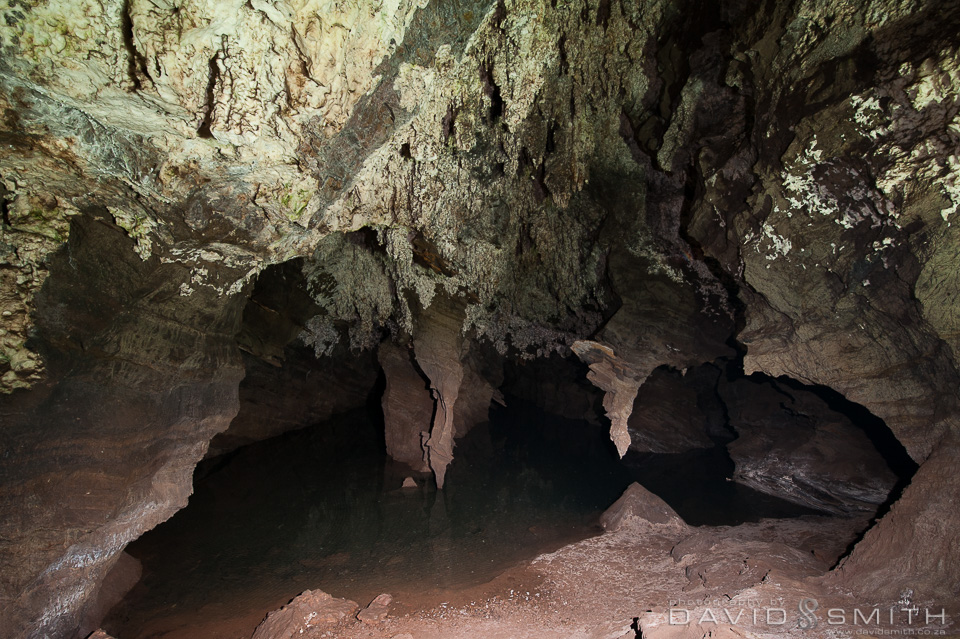
Then of course there are the caves themselves, with guided tours every half hour on wooden walkways into the caves past the excavation site where most of the fossils have been found.
So, what’s all the fuss about? Well, probably the most famous discoveries have been “Mrs Ples”, a 2.1 million year-old Australopithecus africanus skull in excellent condition and “Little-Foot” a near-complete Australopithecus skeleton which is dated at more than 3 million years.
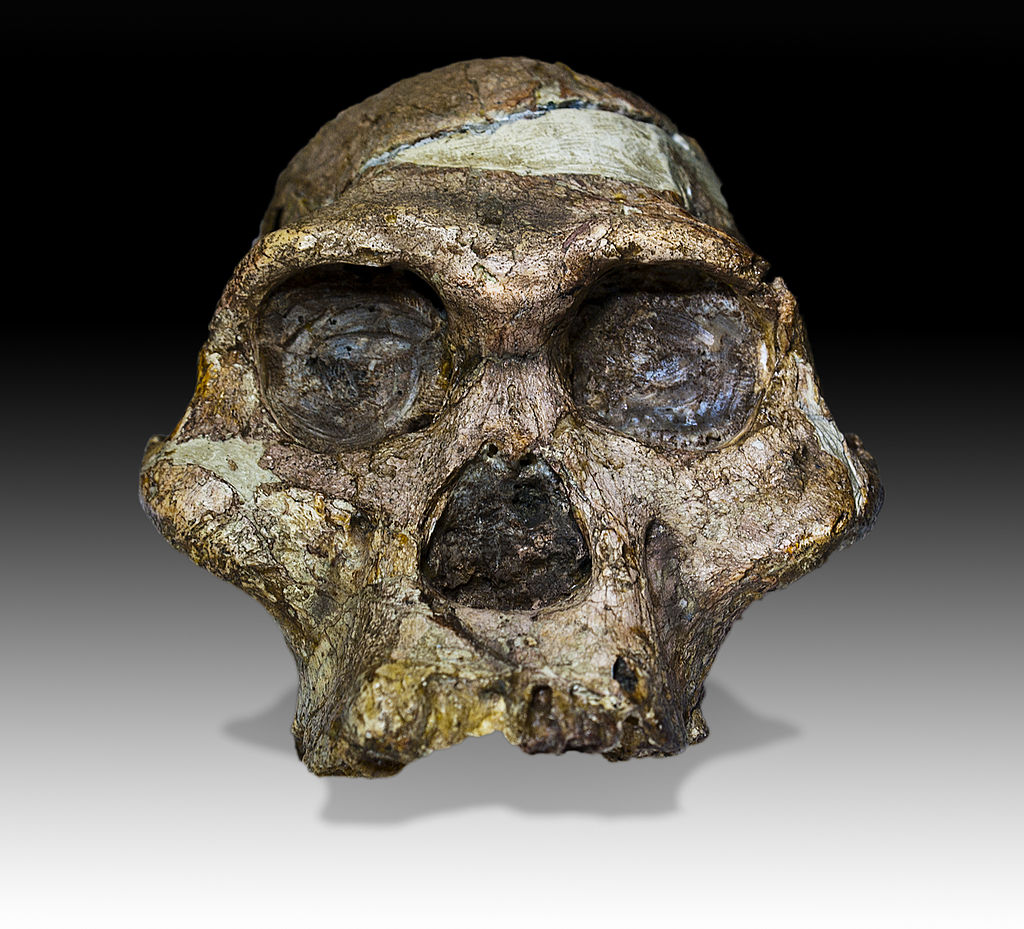
Mrs Ples was discovered on 18 April 1947 by Robert Broom and John T. Robinson, and gets her name from the scientific name Plesianthropus transvaalensis, which Broom initially gave the skull. The sex of the skull however, is not completely certain, so it may in fact also be Mr Ples but more accurately it should either be Master or Miss Ples, as it can be determined from X-ray analysis of the roots of the teeth that he/she was a sub-adult! Age-dating of the skull was performed using palaeomagnetism and uranium-lead technologies.
Little-Foot’s story is even more interesting – the bone fragments were found in 1994 by Ronald J. Clarke, in museum boxes containing fossil fragments from the site labelled as Cercopithecoids. Clarke identified several which had come from the Silberberg Grotto in Sterkfontein caves, and were undoubtedly hominoid left foot bones, genus Australopithecus.

The bones were very small, hence the designation “Little-Foot”. In 1997 he found further foot bones, as well as a clearly sheered-off tibia bone fragment from the same individual. This prompted him to send his two assistants Stephen Motsumi and Nkwane Molefe to the Silberberg Grotto to try find the matching piece of tibia – which they did, amazingly within two days! Together, they uncovered a complete skull and jaw in articulation, and other limb bones, and the discovery was announced to the press in 1998 to considerable acclaim. Subsequent excavation work produced remains allowing for the re-construction of a relatively complete skeleton – far more complete than the famous Australopithecus afarensis “Lucy” skeleton from Ethiopia.
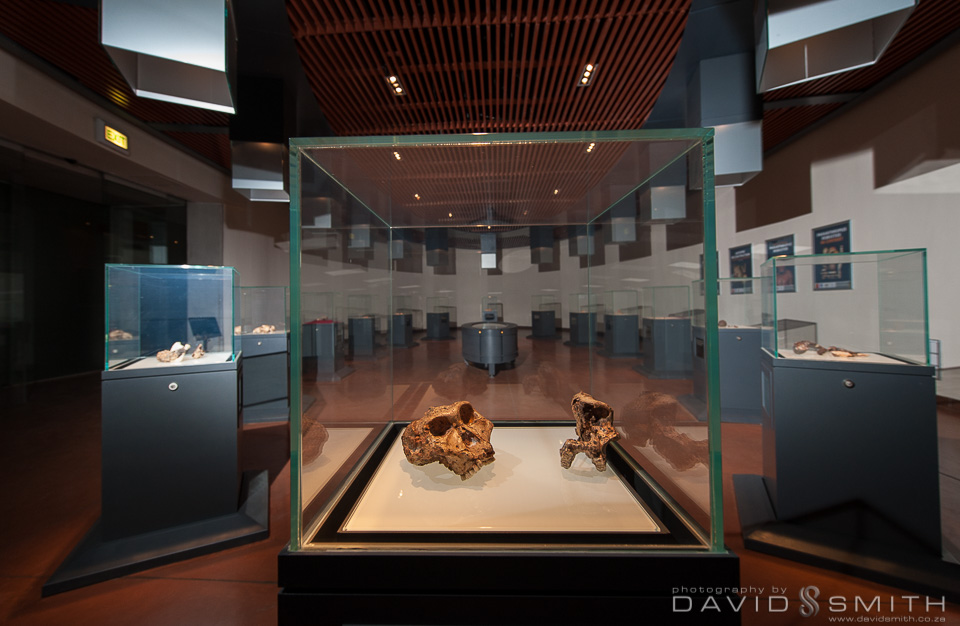
The excavation of Little Foot was especially difficult due to the calcified nature of the cave, and took almost 15 years to complete. Dr Clarke has suggested that Little-Foot does not belong to either Australopithecus afarensis or Australopithecus africanus but to a unique Australopithecus species, Australopithecus prometheus, unique to this area and possibly one of the oldest known direct ancestors of today’s humans.
OK, so once you’ve seen the site, explored the caves and been taken back in time by the exhibition, there’s still one more thing you can do before you head back on your journey. This is great especially if you are travelling with children – just head a little further on up the road and you will arrive at Maropeng.
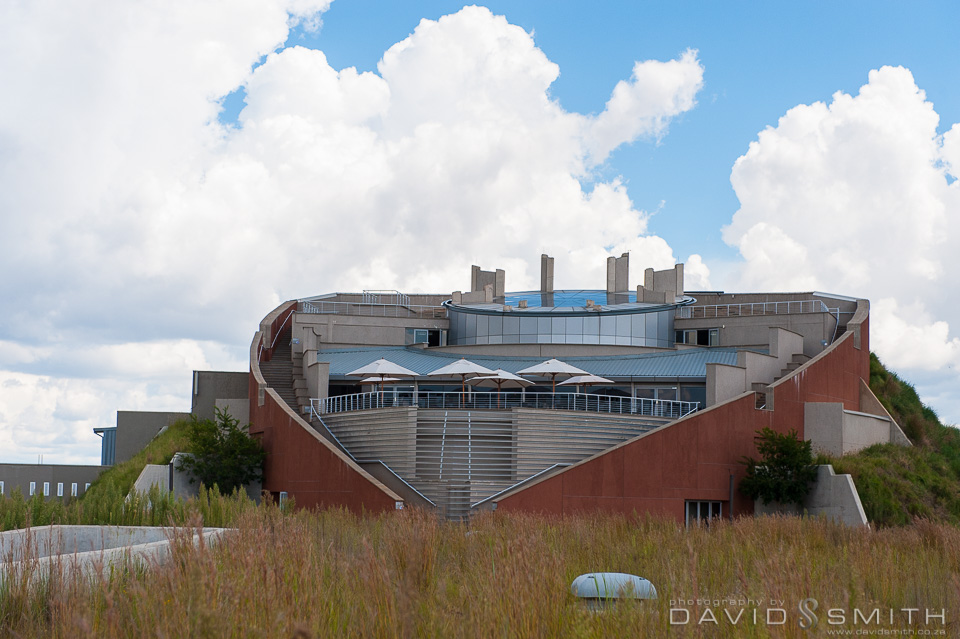
The exhibition is housed in the Tumulus building, and on the way there you can stop off at the Stone Age archaeological site, which has been excavated since 2005. The stone tools found here suggest that the rocks in the Maropeng area were used to make the tools used by hunter-gatherers between 0.5 and 1.0 million years ago, prior to the appearance of Homo Sapiens. Original fossil stone tools are often on display in the Maropeng Original Fossil Area.
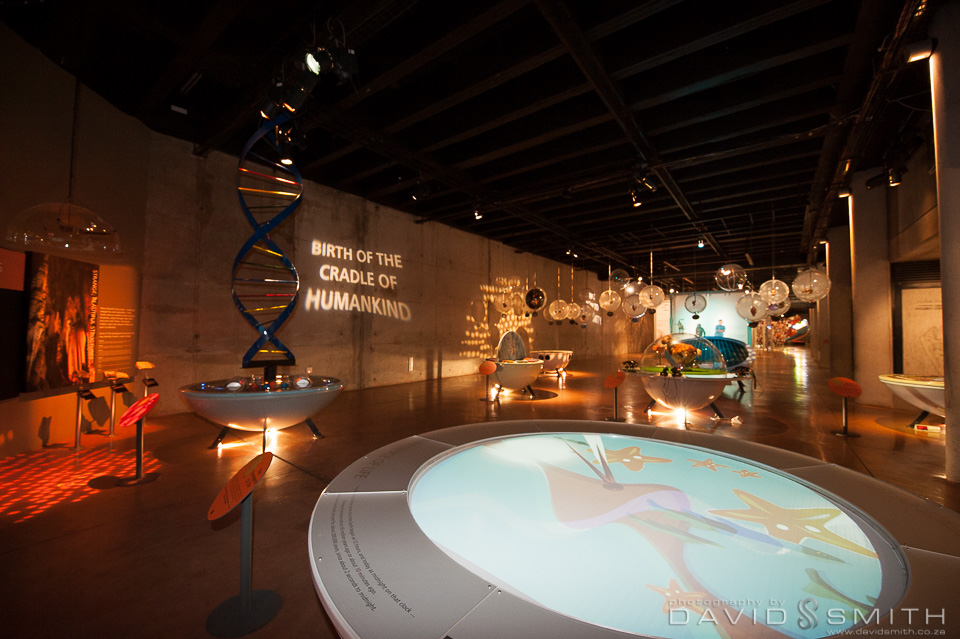
This is all about a voyage of discovery and you can really lose yourself in a journey through the ages – walking through an enormous timeline which takes you through the stages of the universe … the beginning of the universe at 14 billion years, through the formation of the earth 4.6 billion years ago, emergence of life 3.8 billion years ago …. kind of makes you feel really small and insignificant! But, yes, all humanity shares a common African ancestry; we all have roots in Africa!
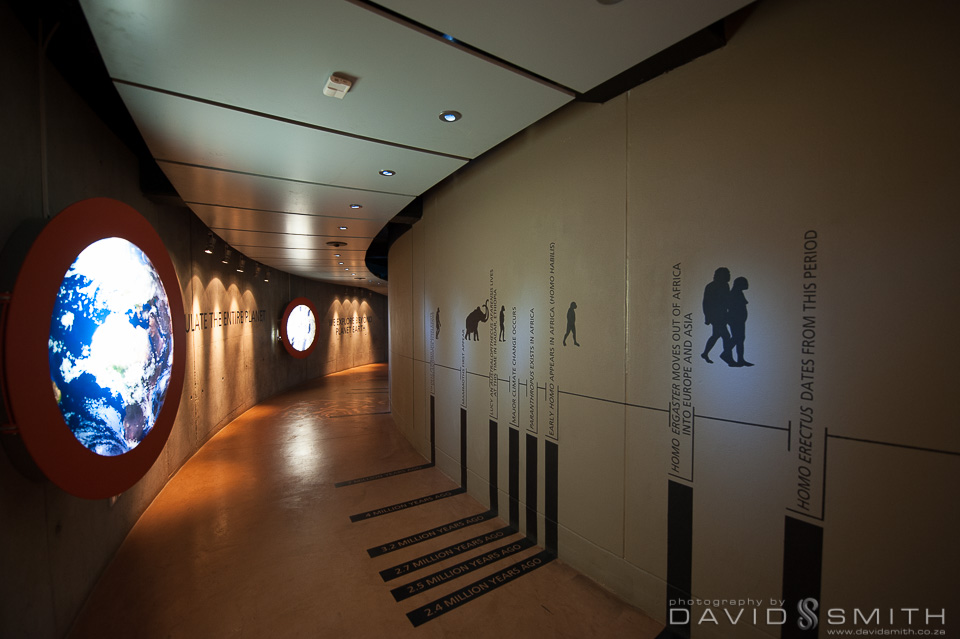
The interior of the Tumulus building is all about discovery and the elements which shape our lives and our world – fire, earth, air and water. Take an underground boat ride on a trip back through time and the creation of the earth, this is quite a sensory explosion of light and sound and is very well done.
Walking around the various exhibitions, you are able to experience the development of humankind, and experience the meaning of many of the developments which have catapulted humankind forwards – use of tools, use and control of fire, weapons, language, industrialisation and many more, and then some that have left huge soaring questions about ourselves – war, genocide and global warming.
There is no doubt however, that you will leave the Cradle of Humankind with a better understanding of where we have all come from, and most importantly, of how we can all go forwards in this beautiful world of ours together.
