


Nov
14
There’s more to The Cape than meets the Eye
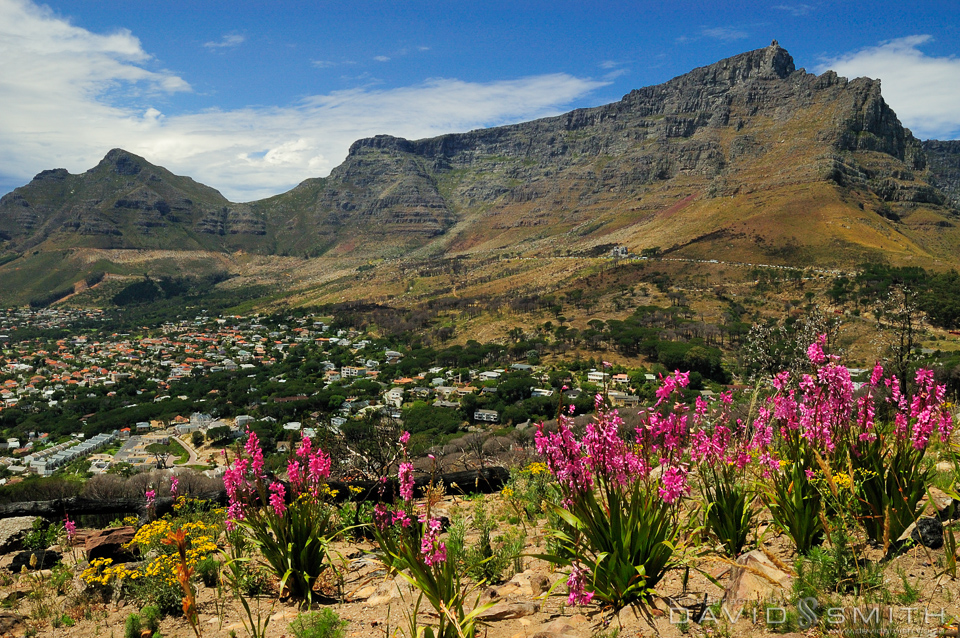
If you ask any visitor to the Cape what they are going to do here, there is very often a list of usual activities – Table Mountain, Robben Island, District Six, Kirstenbosch Gardens, Cape Point, The Waterfront, Gansbaai for whale watching and shark diving, Boulders beach for penguins, Paarl and Franschhoek for wining and dining, Garden Route … etc., etc. …. there really is SO much to do in the Cape, let alone the rest of South Africa!!!
There is also something else that links all these places and makes the Cape a truly unique and special place. In 2004, UNESCO recognised the Cape Floristic Kingdom as a World Heritage Site and declared it a site of international importance as a biodiversity hotspot.
To this end, the World Heritage Site includes eight representative protected areas:
-
Table Mountain National Park, probably the best known area, which includes areas such as Cape Point, Silvermine and Table Mountain
-
De Hoop Nature Reserve, up the Whale Coast in the Overberg, past Bredasdorp
-
Cederberg Wilderness Area, 300 km from Cape Town up the West Coast, near to Clanwilliam
-
Groot Winterhoek Wilderness Area, in the Overberg near the town of Tulbagh, with a peak mountain height of 2077 m
-
Baviaanskloof Mega Reserve, an area of approximately 500 000 hectares between the Baviaanskloof and Kouga mountain ranges near Port Elizabeth in the Eastern Cape
-
Boland Mountain Complex consisting of Jonkershoek Nature Reserve, Assegaaibosch Nature Reserve, Kogelberg Nature Reserve, Hottentots Holland Nature Reserve and the Limietberg Nature Reserve
-
Boosmansbos Wilderness Area, in the Overberg 20 km north of Heidelberg in the eastern Langeberg mountain range
-
Swartberg Complex in the Cape Karoo, including Swartberg Nature Reserve, Gamkapoort Nature Reserve and Towerkop Nature Reserve
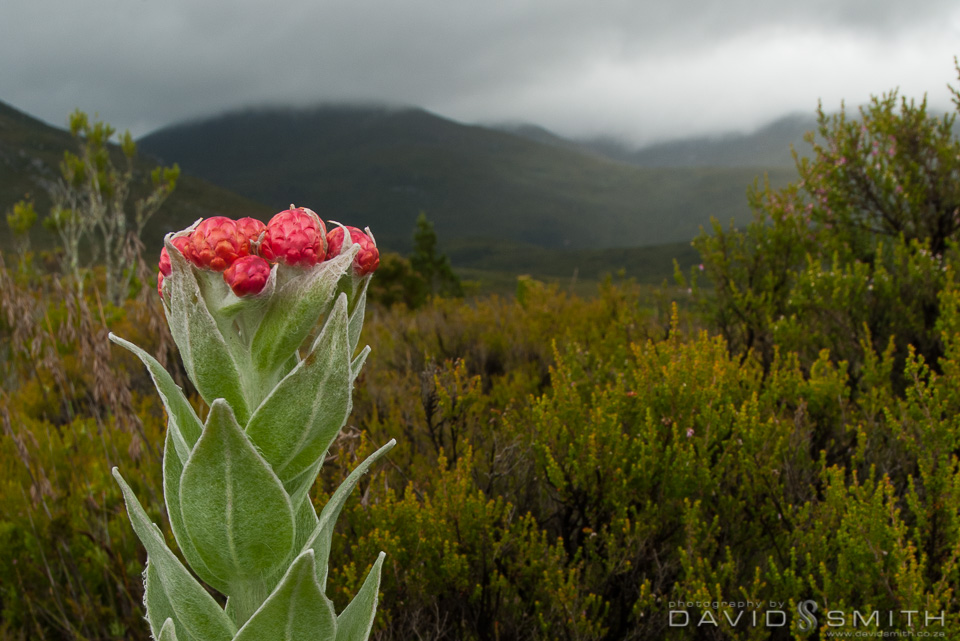
These eight areas include a great variety of plant species that represent the Cape Floristic Kingdom, and through the protection of these areas, it is hoped that the bulk of the biodiversity of this natural wonder may be preserved for future generations to come.

Interestingly, many of these protected areas are also mountainous water catchment areas, so there is added incentive to protect them and the natural beauty which abounds there. Within these areas, there are also some true gems, such as “de hel” in the Gamka valley in the Swartberg, where you can experience life as it must have been a hundred years ago, and is well worth a visit!

Much of the kingdom consists of the fynbos biome (from the Dutch fynbosch … fine bush), although much of it is more ericoid in nature – which refers loosely to the many Ericacea family of plants found here, which have small tough leaves, and are quite heathery in appearance. As with many natural areas, the Cape Floristic region is under immense pressure due to habitat loss, land degradation and invasive alien plants, so it is increasingly important to educate people and generate awareness of the importance of the natural wonder of the region.
Some interesting facts about the Cape Floristic Kingdom:
-
The Cape Floristic Region is the smallest of the six recognised global floral kingdoms. It is however an area of such high diversity that it has equal status to the great Boreal Kingdom that extends across North America and much of Europe and Asia.
-
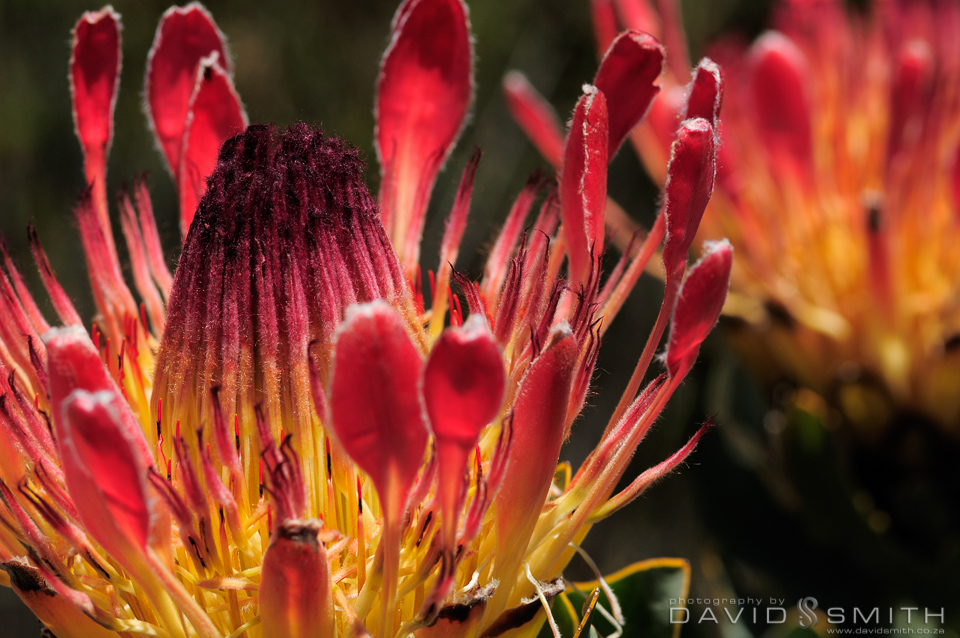
Some of the most numerous and well-known plant species are the Protea family (Proteaceae), Heath family (Ericaceae) and Reed family (Restionaceae).
-
Other plant types include Sandveld, Renosterveld and Afromontane forest.
-
The Cape has the greatest concentration of non-tropical plant species in the world, and encompasses an entire floral kingdom.
-
The Cape Floristic Kingdom supports over 8500 plant species, and over 68% of them are endemic to the region!
-
The WWF recognised the Cape Floristic Region in 1996 as one of the top twenty among 200 key eco-regions worldwide, crucial in their drive to conserve nature going into the future.
-
Fynbos biodiversity generates almost ZAR80 million per year from tourism and fynbos products.
-
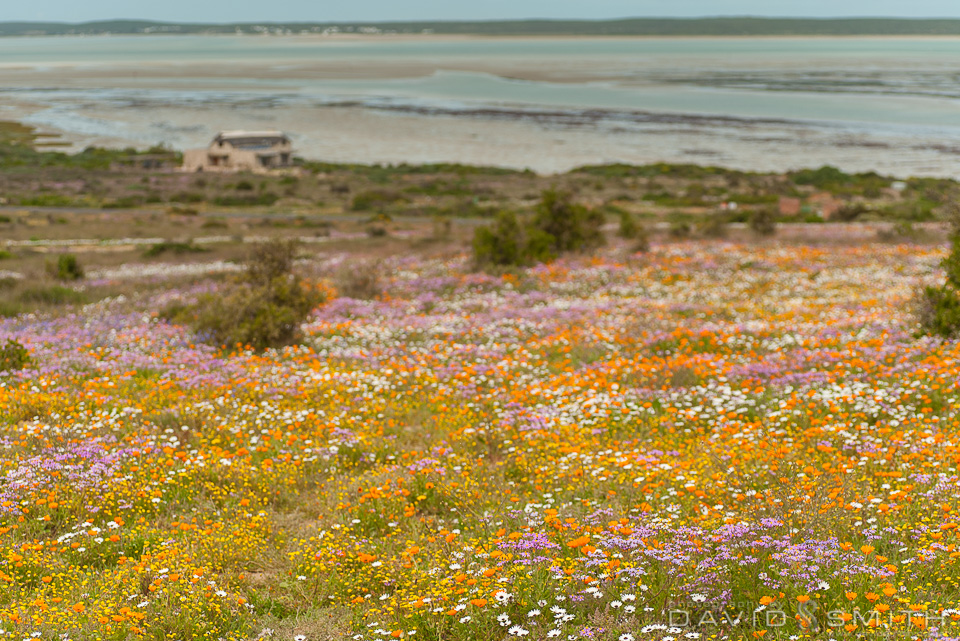
Much of the fynbos requires fire to regenerate, but it is thought that in wild conditions this may have happened less frequently than at present, for example, every 15-20 years. When there are fires, the following season normally sees a proliferation of flowering species.
-
Kirstenbosch National Botanic Garden was established in 1913, and is devoted to the country’s indigenous flora. There are over 7000 species in cultivation at Kirstenbosch and it was the first botanic garden to be included within a natural World Heritage Site.
-
Spring (September – October) is the best time to see many of the annual mass flowering spectacles, but many of the beautiful plants flower at different times of the year. We are blessed with hundreds of kilometres of hiking trails within our reserves and parks, and on foot is the best way to get to see many of the flowering plants.
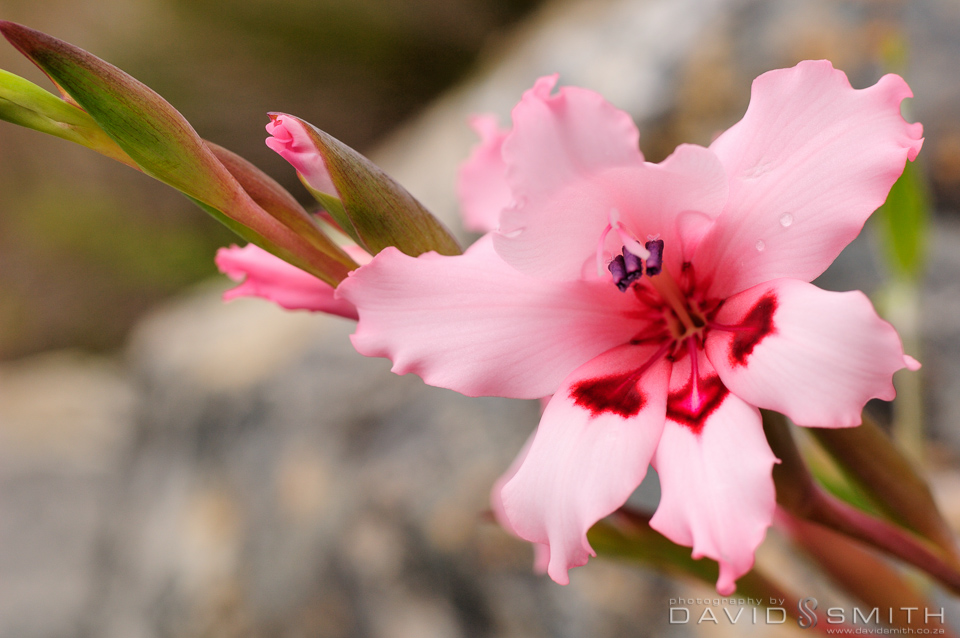
So, next time you are in the Cape, you might consider a visit to some to the lesser known reserves and take a hike to discover some of the hidden gems of this area – the magnificent Cape Floristic Kingdom.
